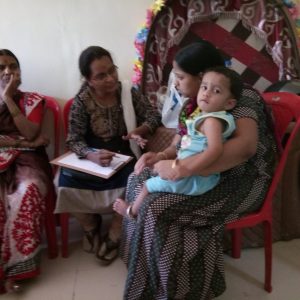
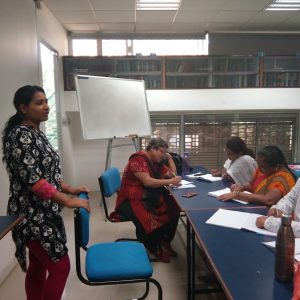
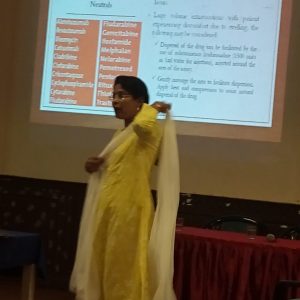
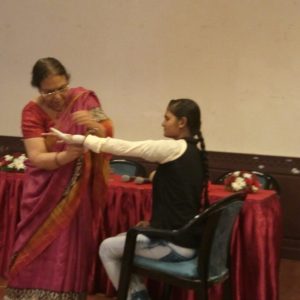
The diagnosis of cancer is accompanied by a myriad of emotions, confusion of information and an overwhelming pressure of treatment decisions. No cancer treatment is without its challenges. Nurses in all oncology settings provide professional clinical, psycho – social and emotional support to their patients and their caregivers. The role of our nurses goes beyond preparation and administration of treatments, they also ensure that the care received is centred around the needs of the patients. They ensure that patients have access to evidence based information relevant to their disease and treatments.
Onco Nursing Training Programme
Onco – Nursing Training Programme:
- Cancer biology, pharmacology, and epidemiology.
- Chemotherapy administration and toxicity management.
- Psychosocial care, stress management, and resilience.
- Communication skills for difficult conversations.
- Patient education on self-care and lifestyle.
Eligibility of Trainees
Nurses involved in patient care across all therapies : Surgical. Radiation, Chemotherapy , Palliative and Home care.
Methodology
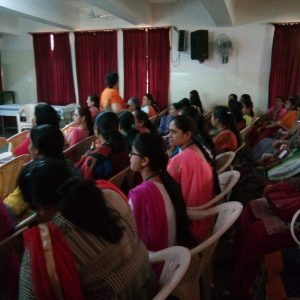
The training was covered in 4 full day workshops spread over 4 Sundays. The duration of each workshop was 7 hours.
Faculty
The programme is facilitated by an experienced multidisciplinary faculty comprising members of Nag Foundation, Pune, and experts from Tata Memorial Hospital, Mumbai, bringing together extensive clinical expertise and practical experience in oncology nursing and supportive cancer care.
Training Community Health Workers In Breast Health And Clinical Breast Examinations
Objective
To train Community health workers in breast health and clinical breast examination.
Methodology
The Training was over a period of 6 months, divided into 4 training sessions including one practical session.
Impact
- 16 Community Health Workers trained
- Over 1000 clinical breast examinations done
- Over 10 suspicious case referred for further diagnosis
Turning New Ideas into Persuasive Concepts
Co-Organised by Nag Foundation, MOGA (Medical Oncology Group of Australia) & ACORD (Australia & Asia Pacific Clinical Oncology Research Development Workshop)
Purpose
To help turn new idea for a cancer clinical research study into a persuasive 1-page concept outline. Concept outlines are an ideal starting point for writing study protocols, letters of intent to industry, or grant applications to funding bodies.
Methodology
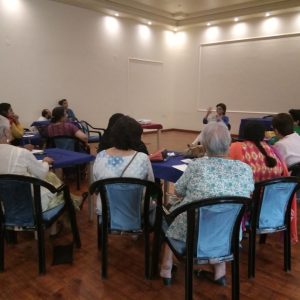
Participants were asked to come with an idea for a cancer clinical research study. Participants were divided into small groups of about 8 members and 2 faculty facilitators. Each participant presented their ideas briefly (in about 3 minutes) without slides. The group then provided constructive feedback and suggestions about the proposed study and concept outline.
Presentations
- Types of research
- Writing the research question
- Developing a health intervention
- Calculating Sample Size
- Statistics
- Every presentation was followed by application of theory to the participants concept idea.
International Faculty
Prof. Martin Stockler
Oncology Director, NHMRC Clinical Trials Centre
Professor of Oncology and Clinical Epidemiology, University of Sydney
Medical Oncologist, Concord Cancer Centre and Chris O’Brien Lifehouse RPA
Prof. Andrew Martin
Professor of Innovative Clinical Trials and leads the University of Queensland’s Clinical Trials Capability (ULTRA) program.
Professor in the biostatistics group at the NHMRC Clinical Trials Centre University of Sydney
National Faculty
Dr Pankaj Kumar Panda
Chief Research Officer
Apollo Proton Cancer Centre
Dr Atul Batra
MD, DM
- 24 participants
- 26 concept ideas
Feedback
The workshop helped me refine an idea that had grown out of my own clinical practice. What began as an observation became a well-defined research question through the small group discussions and constructive feedback from the faculty. Receiving guidance at every stage of developing the research proposal gave me the confidence to move beyond the idea and begin putting it into action. The experience was both motivating and empowering.